Wired: Does artificial intelligence have consciousness?
If AI consciousness doesn't already exist, then at least could it exist in principle?
Forbes: What Today's Leading Philosophers Say About Conscious AI?
Forbes has published a second article by Theodore McDarrah, which provides a brief summary of the main topics discussed at the Second ICCS Conference "AI and Sentience."
Forbes: The Lasting Impact of Daniel Dennett in Philosophy and Leadership
Following the Second ICCS Conference "AI and Sentience," Forbes published an article by Theodore McDarrah, who attended the event.
Andy Clark Receives Dennett Prize in 2025
The International Center for Consciousness Studies hosted the inaugural Dennett Prize during its 2025 conference in Heraklion, Crete. The prize was awarded to British philosopher Andy Clark, Professor of Cognitive Philosophy at the University of Sussex.
"AI and Sentience" Conference held by the ICCS in Heraklion

The Second ICCS Conference, "AI and Sentience," was held from July 3 to 5, 2025, in Heraklion, Crete, bringing together leading researchers in philosophy, neuroscience, and artificial intelligence to address a central and timely question: Is AI sentience possible? The conference took place at the Megaron Hotel, with additional sessions hosted at the Municipal Gallery of Heraklion and the historic Vitsentzos Kornaros Cinema and Theatre.
ICCS Inaugural Conference "Uncovering the Magic of Consciousness"

The inaugural conference of the recently established International Center for Consciousness Studies (ICCS), titled "Uncovering the Magic of Consciousness: Philosophy, Neuroscience, AI," took place from June 27–29, 2024, at the Santa Maria della Scala Museum in Siena.
Metaphysics of Uploading. CCS Summer School in Palermo

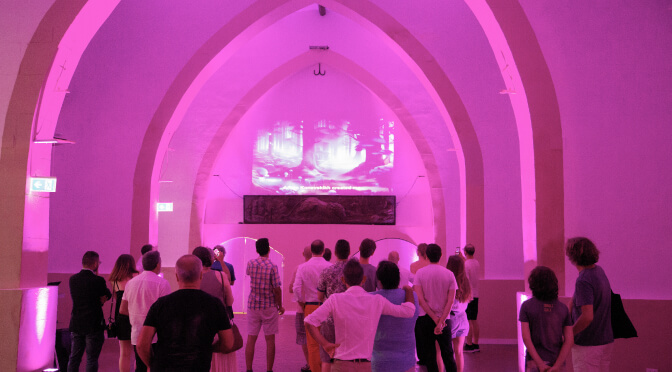
From July 27 to August 2, the Center for Consciousness Studies (CCS) hosted the Summer Philosophical School “Metaphysics of Uploading” in Palermo. World-known philosophers and thinkers gathered in the State Archives of Palermo to debate the possibility of uploading the human mind to a computer system.
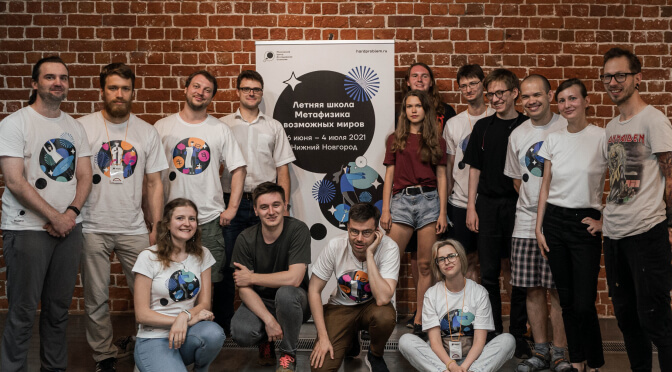
Metaphysics of Possible Worlds. Results of Consciousness Research Center Summer School

Metaphysics of Possible Worlds. Results of Consciousness Research Center Summer School
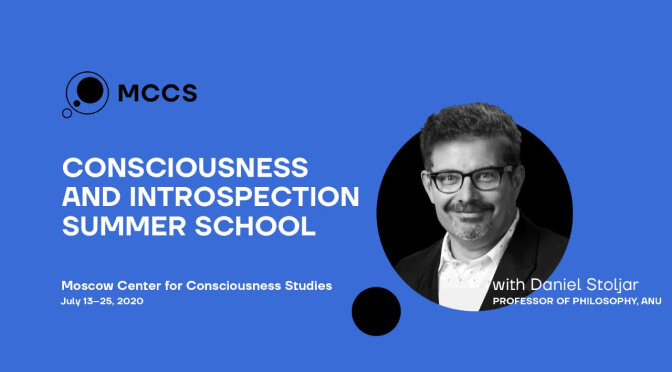
CCS held a summer school of philosophy online

For the first time, the Center for Consciousness Studies held an international summer philosophical school in an online format. This year's theme is the problem of the relationship between consciousness and introspection. The discussion was moderated by Professor of the Australian National University Daniel Stoljar.
This is Not a Book
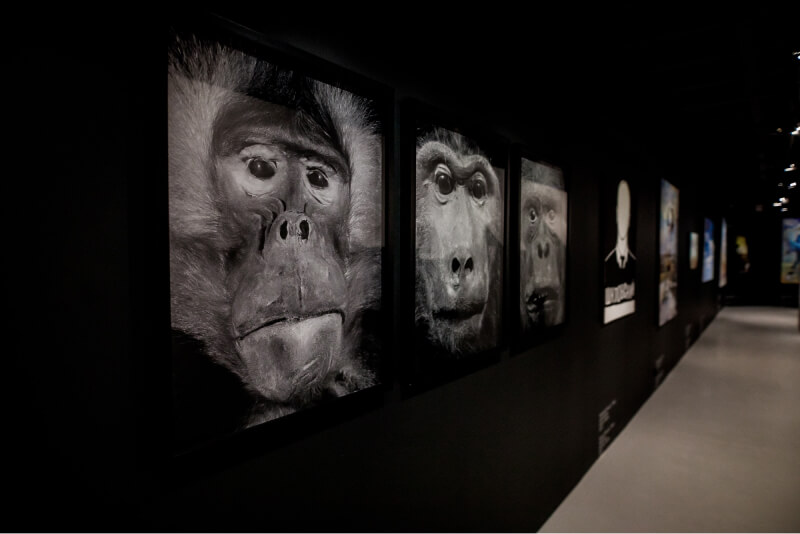
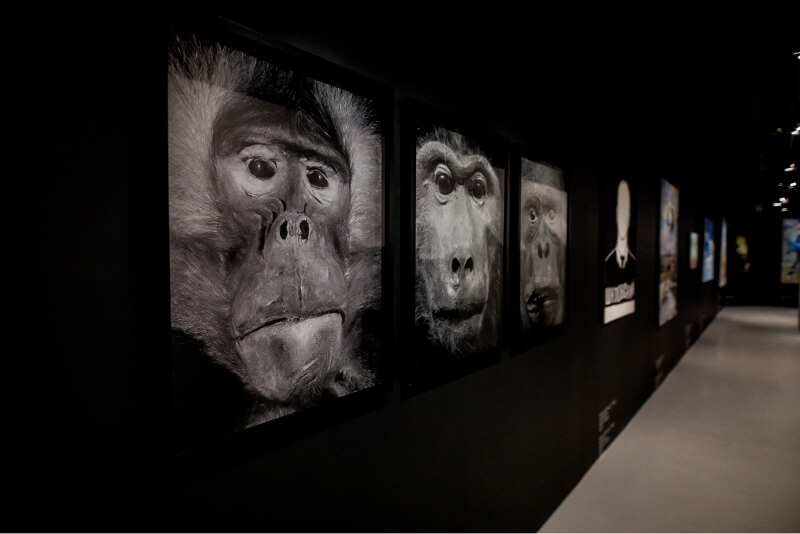
The first exhibition of the private collection of businessman and philosopher Dmitry Volkov became available for viewing online. “This Is Not a Book: Dmitry Volkov's collection. A story about a man, his art and library” is an experimental project. The idea of the exhibition was an invitation to the collector's mind, where philosophy and art are firmly connected.
Why is there no museum of philosophy?
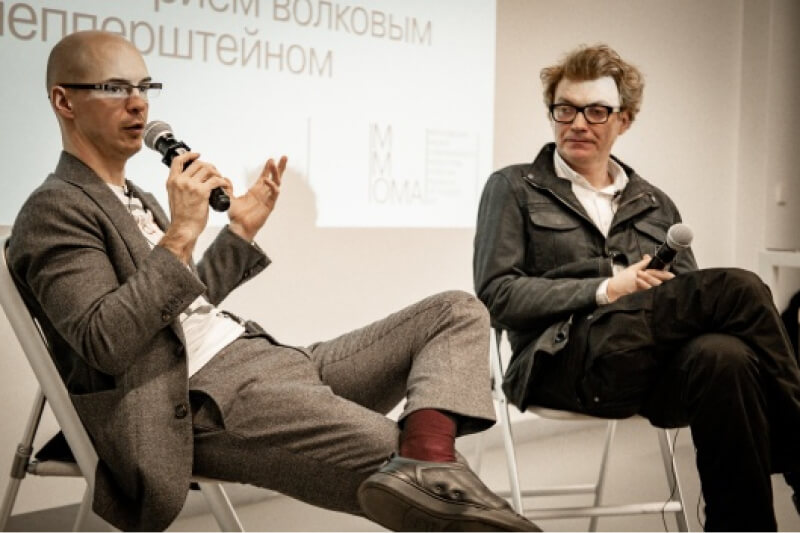
Collector and philosopher Dmitry Volkov, together with the artist and theorist of contemporary art Pavel Pepperstein, discussed why the Museum of Philosophy does not exist, the prospects of its creation, as well as exhibits that they would place in it.
From philosophy to art. Collection of Dmitry Volkov and CCS

Exhibition “This Is Not a Book: Collection of Dmitry Volkov. The story of a man, his art and library" sent viewers on a quest on the collector's mind. Considering that Dmitry Volkov is not only a collector and philanthropist, but also a professor at the Faculty of Philosophy, as well as a venture investor with a focus on artificial intelligence technologies, the journey turned out to be interesting.
Where and how can you meet your digital twin

FACED2FACED project mobile app scans the face of a person and converts it to 3D while trained algorithm provides it with intelligence analyzing information available in user’s social networks.
Performance called People against the book under the title Freedom of will. An illusion or a possibility
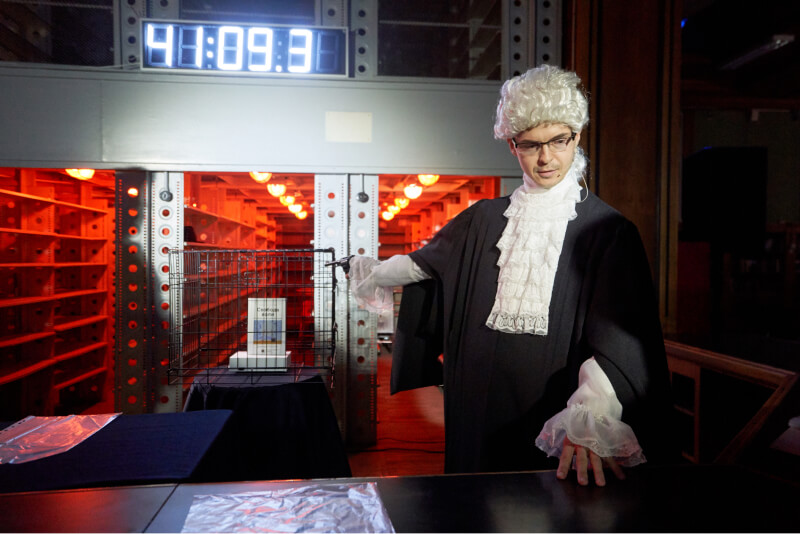
Pavel Peppershtein and Dmitry Volkov turned to a medieval judicial tradition to determine the fate of a book accused in providing the philosophical underpinning to punish people, and thus is capable to break the existing balance in relations between state and society.
Dmitry Volkov: Exactly the same like we are. Why are people afraid of humanoids?

People have a liking for humanoids who look like them. Just like this little delivery box: smiling at me, blinking its little eyes-little hearts and showing me that pizza has already been delivered to somebody. It acts just like a person. But the most important word here is “like”.